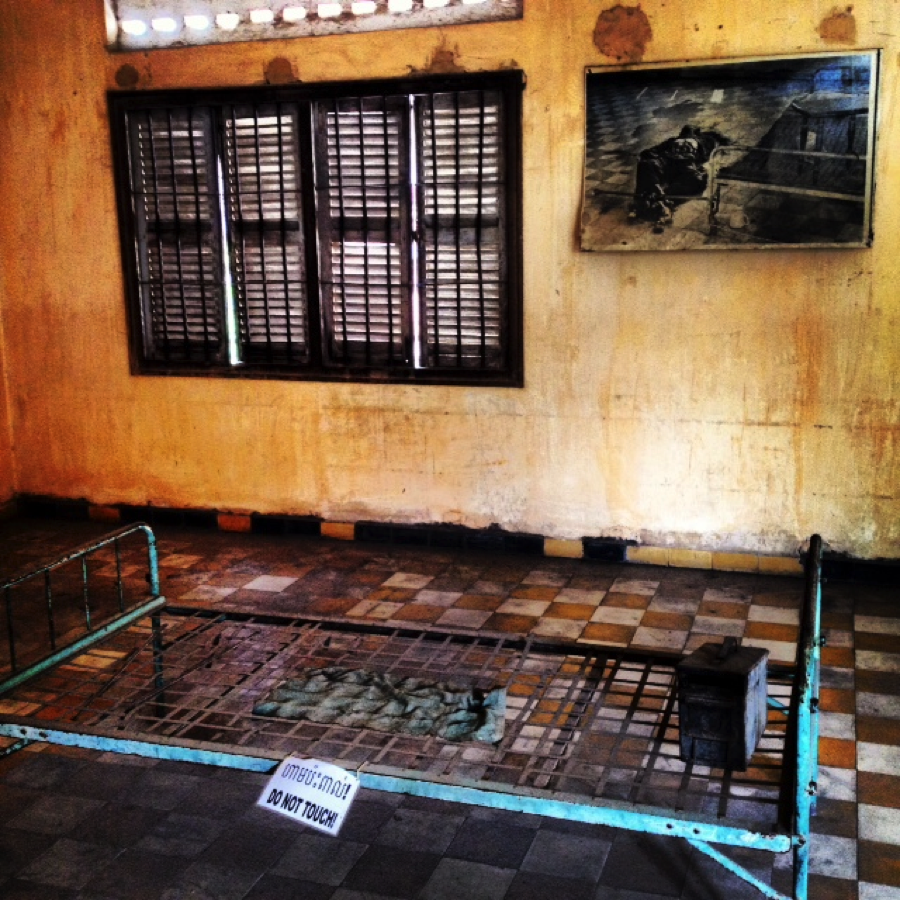
A bed where people were tortured and a picture of a body found on the bed after Khmer fled
Our guide was a gentle Cambodian woman in a simple ruffled top and modest blue jeans. When Patrick, our Cambodian student, began to cry halfway through the tour she stopped, looked him in the eye and told him how 38 members of her family were killed– her husband thrown in a pit in one of the killing fields, her young son and daughter both starved to death on the long walk into the countryside. Just another average woman survivor in a country swallowed by death.
We moved through the rooms as if trudging through tar, the air so thick and silent with the deafening howls of the ghosts of tortured men, women and children. We stepped into room after room that was empty, save one single metal bed frame in the middle. Photos on the wall of barely recognizable bodies of murdered torture victims stared back at you, the last poor souls killed before the Vietcong liberated the death chamber in 1979.
Four classrooms in a row were divided into some 40 cells, each one no wider or longer than a yoga mat. No windows, no furniture, no buckets for the prisoners to go to the bathroom. Just rows and rows of living caskets packed beside each other like cattle waiting for slaughter. If you spoke any word, you were beaten. The torture lasted for hours each day, from 9-11 am, 2-5 pm, and 6-11 pm. The instruments were still there- pickaxes, shovels, pliers which were used to rip fingernails off of hands, the raw bleeding fingers then thrown into a tub of alcohol. Women were raped and then scorpions bit their nipples, which were then pulled off with pliers.
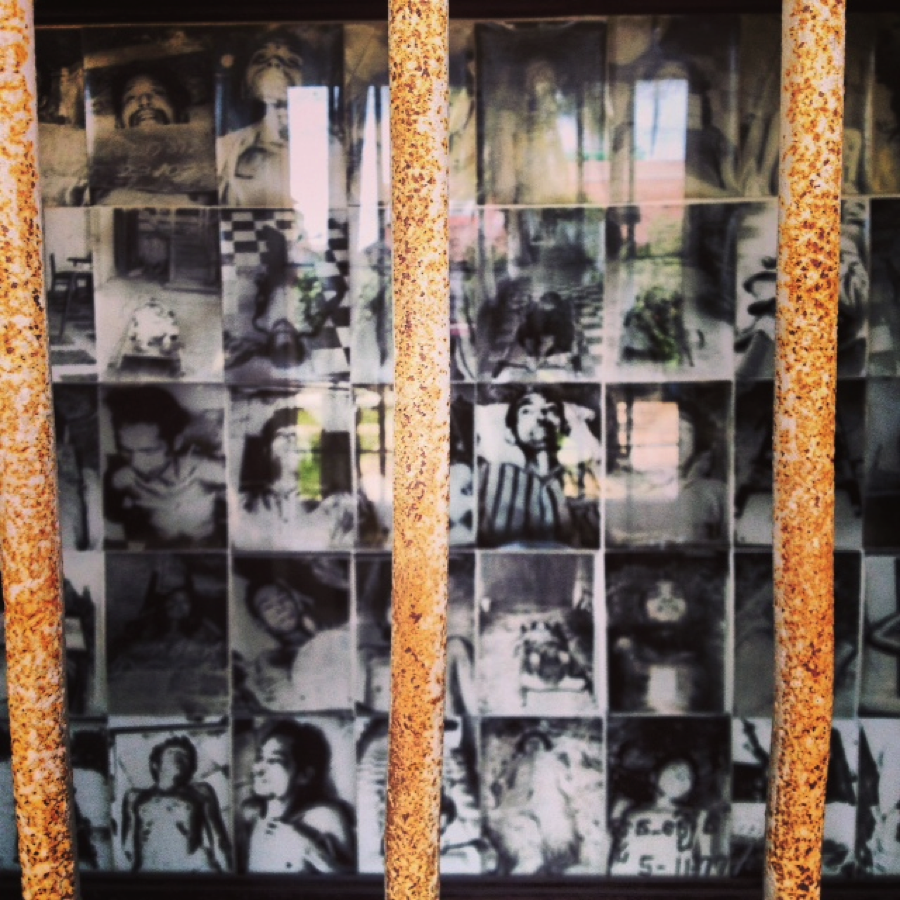
Pictures of the dead through window bars after being tortured at S21
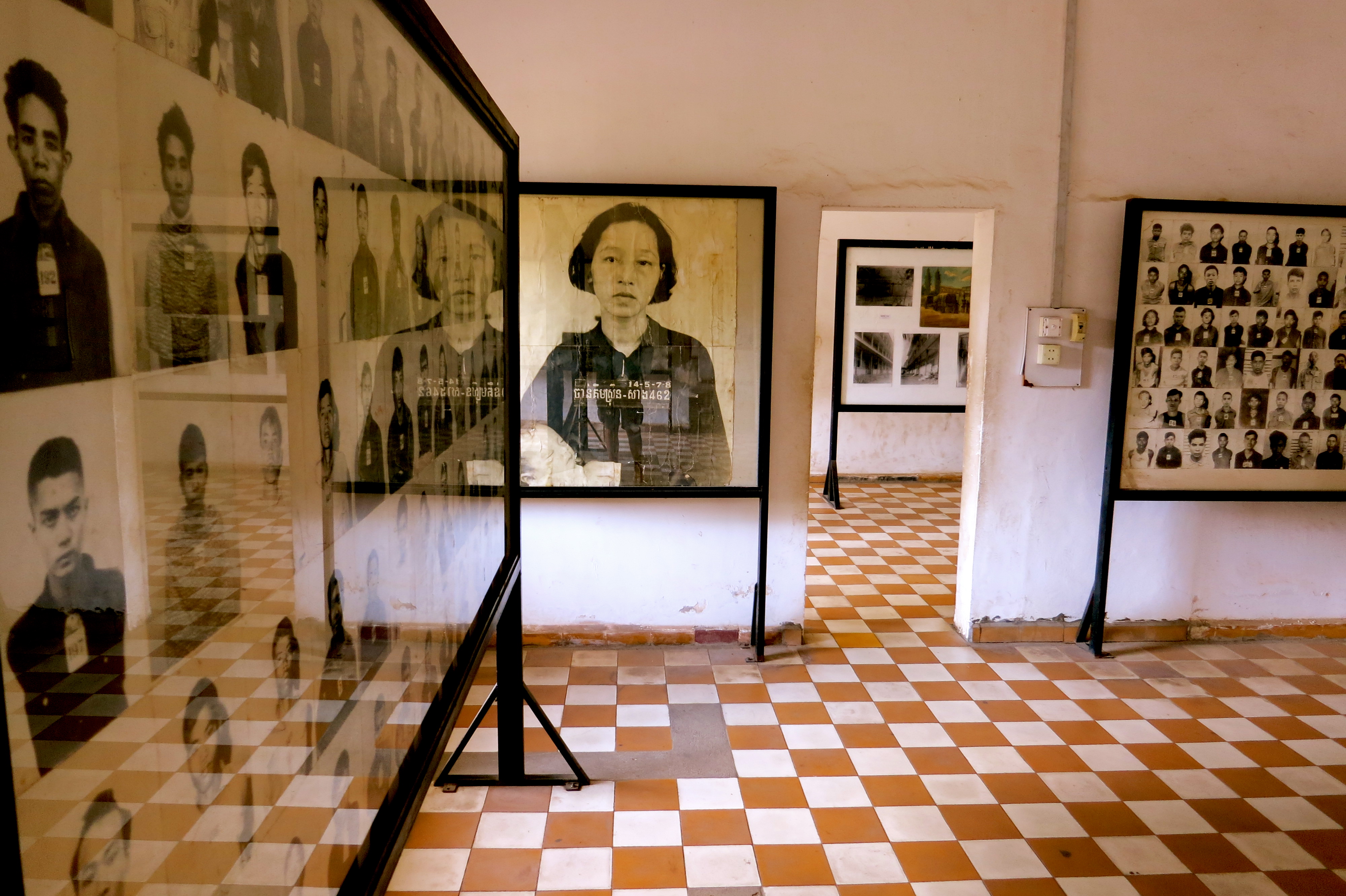
Thousands of mugshots of the prisoners lined the walls, their blank,dark eyes looking through you, a number pinned to their shirt and for many who had no shirt, the pin pierced right through their flesh. Almost more disturbing were the mugshots of the workers, the murderers, the ones who tortured day after day. So many of them were children. Their eyes were not so much as dark but merely blank, as if they had no emotion,no soul at all. The Khmer Rouge kidnapped many children around age 10 who were brainwashed into being their ruthless leaders. It was thought that these children would have no memory of the past and could therefore fully inhabit the insanity of the present.
We walked through the old schoolyard turned torture yard and saw pull up bars that were used to string people up by their arms bound behind them. Once they lost consciousness from the pain and the heat and the beatings, they were dunked upside down into big concrete tubs (which were still there) that were full of scorpions and feces, which would shock them back into consciousness so the torture could continue.
Tally marks lined some walls and as I put my hand over them, the wall seemed to jolt, pull, beg under my skin. Everything was right there, just as it had been, open for anyone to see.
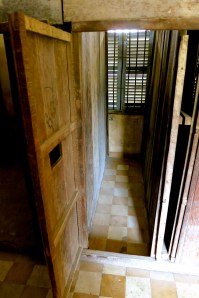
Some people walked into the tight cells where prisoners were kept and while I considered it, I could feel this magnetic repulsion screaming for me not to enter. I didn’t.
And then there in the courtyard, sat one of the seven people who survived out of 20,000 who perished. His eyes were glassy white, a milky film masking their true color. Our guide told us his heart and his mind never recovered. The disbelief that he was sitting there, so small, so undeniably real, day after day after day, in the same place where he witnessed thousands of murderous screams, of people begging for their lives, of the never-ending hum of death.
Then, we went to the killing fields. A completely different experience. If you wouldn’t have known better, it looked like a beautiful park. Flower trees dotted the trails with yellow and pink blossoms. Large ponds sat still beneath the blazing blue sky. But then you started listening to the audio tour and walking through the orchard and the grim reality of the past began to unfold.
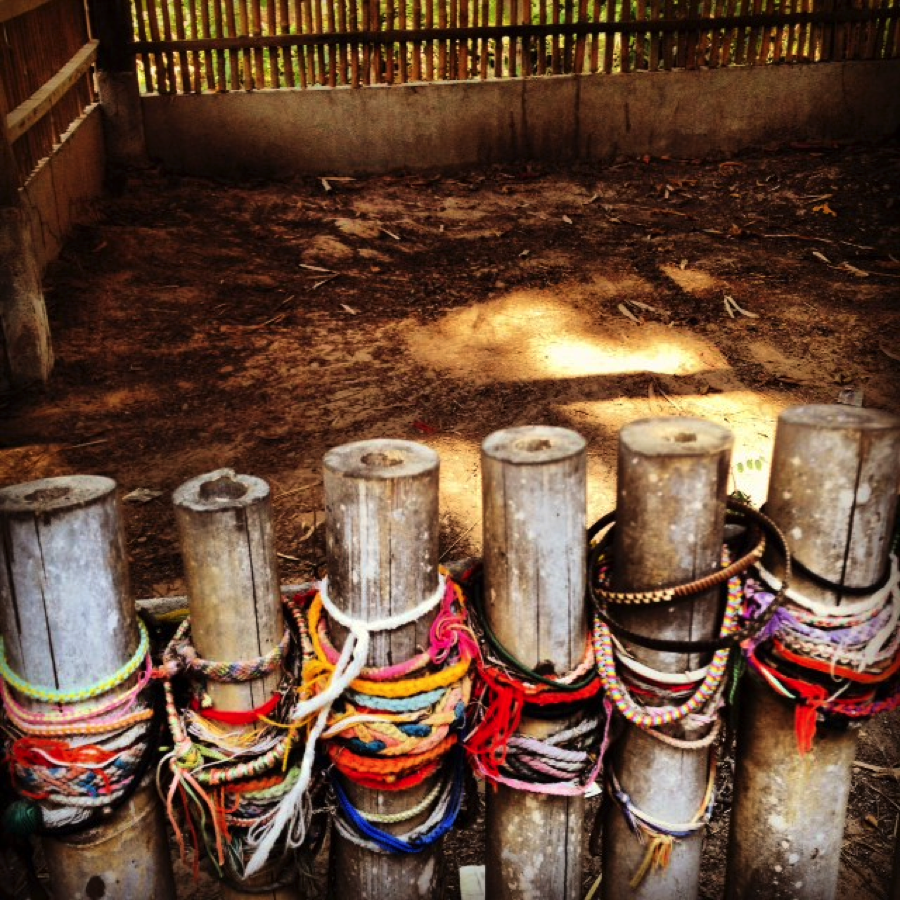
Mass grave with hundreds of naked women and children murdered and buried below
People were brought here by the truckload, held for several days blindfolded in barbed-wire pits or makeshift cells listening to the loudspeaker blasting Khmer anthems with the grating generator roaring in the background (one of the audio tracks was this exact complication and it was one of the most disturbing sounds I have ever heard). Bullets were too expensive so most were bludgeoned to death and thrown in the pit. Many who fell into the pit were still half alive so pure DDT was thrown over the bodies to finish the job. Infants and young children were grabbed by the feet, their skull smashed into the trunk of a tree while their mothers watched helplessly.
As we walked along the dirt paths, eyes downcast in horrific acceptance of the history under our feet, we would see an occasional fragment of bone, a tooth, some scraps of clothing emerging from the mud. Every rainy season,more and more bones surface, ghosts of the past fighting through the trampled dirt of the living, an indignant call for recognition, for justice, for redemption.
Of all the two, some estimates say three, million people killed, five people have been brought to trial. After the atrocities, both the US and the UN recognized the Khmer Rouge and gave them funding. Better to side with genocide than the Communist Vietnamese.
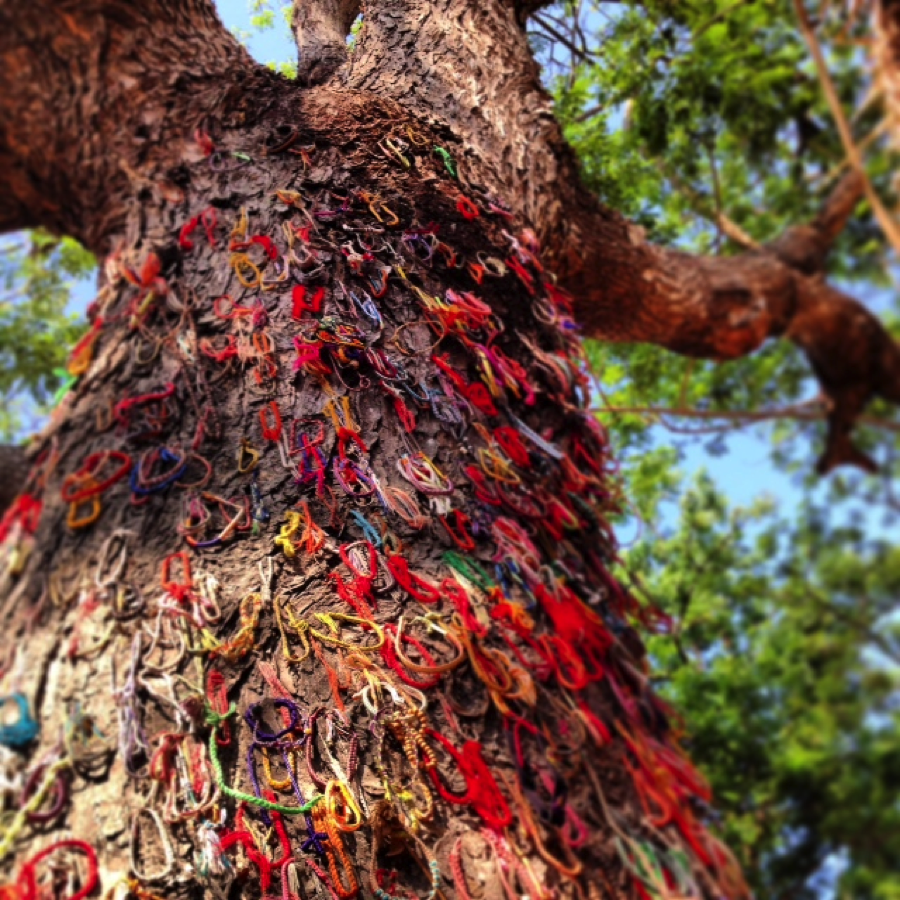
Tree against which babies heads were slammed and they were murdered before thrown in mass grave
In the middle of the park was a large stupa, a pagoda reaching stories into the sky. As you neared the building, you saw a thick square column of glass that filled the entire pagoda, barely enough room on the sides to walk around. Inside the glass were thousands of skulls, some cracked by a shovel, some sliced with a knife, some fully intact, a grim reminder of how that person might have fallen into the pits still conscious as the blood and stench of dead bodies quickly drowned them from life.
We spent 8 hours exploring S21 and the killing fields. While we were talking and reflecting as the day went on, before heading back to our guesthouse, we all sat under a shady tree and students shared one moment that hit them hardest. Some students were still silent. We then asked students to go around and just give us a one word check in, as well as one thing they were going to do for self care. We broadened the conversation to the power of bearing witness- how serving in an orphanage or chaining oneself to a tree, or giving to a charity are all types of service, but so is simply bearing witness to the pain and the life of other people. Nobody in our group knew anything about the genocide before this trip, hence it is likely that their friends, their families, also know little.
Not everyone has the privilege of participating in a three month educational trip across SE Asia. We encouraged students to sit in the sadness, to let the reality of the past really wash through them and to share that. Yes, tell your friends about riding elephants and playing with kids and riding bamboo rafts, but also tell them the haunted memory of the past.
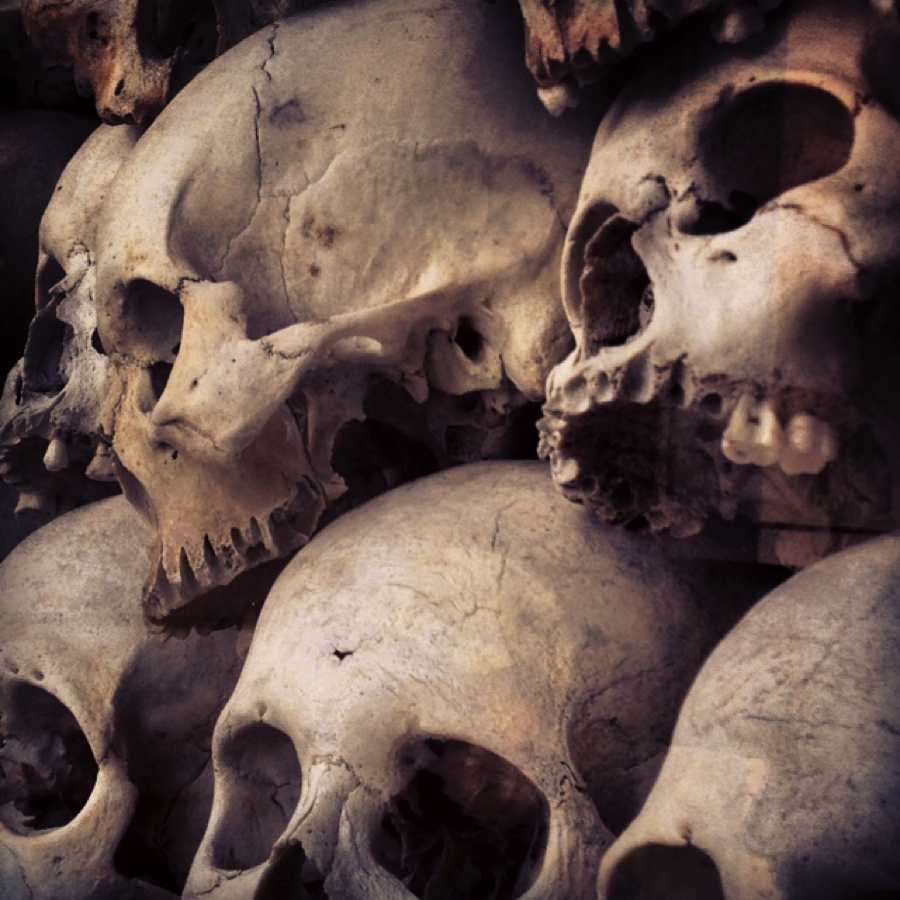
Some of the thousands of skulls at the killing fields, Cambodia
 Julia Lang Portfolio